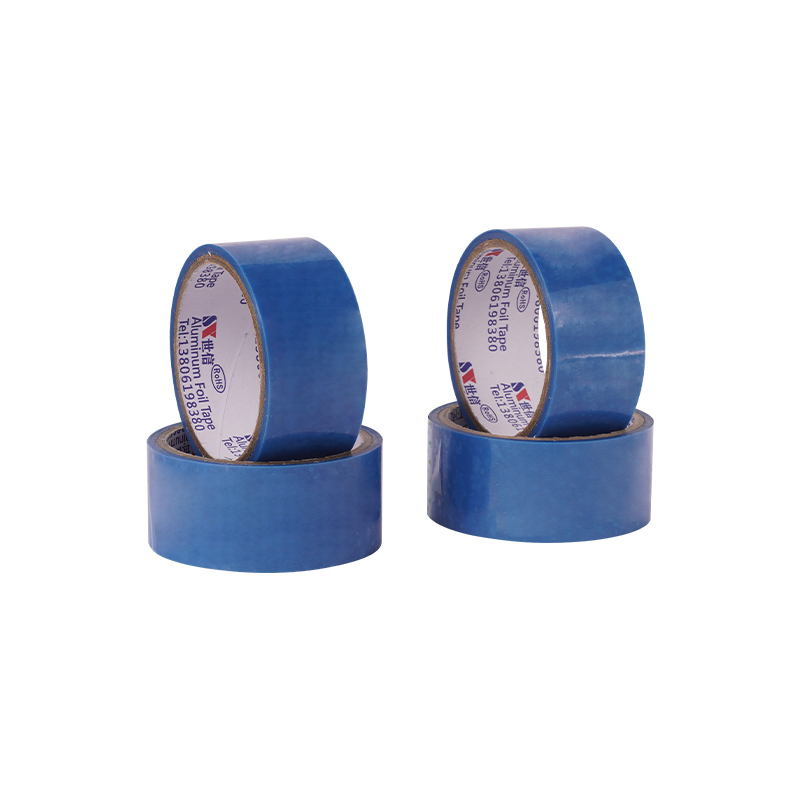
A 25 mm strip of high-strength unidirection fiberglass reinforcing tape will hold a steady pull along its length without stretching more than a few percent. Rotate that same strip 90 degrees and it separates with almost no resistance. That single asymmetry explains why a purchase decision made purely on price per roll tends to end in a line stoppage, a residue complaint, or a joint that creeps open six weeks into service.
This guide is written for the people who actually specify and approve the material: process engineers, quality inspectors and sourcing managers in appliance assembly, HVAC fabrication, cable and harness manufacturing, and electrical equipment production. It covers how the unidirectional construction is built, which five numbers belong on a sample report, four failure modes that appear on a real production line, and how to order the tape in a format your equipment can run without stopping.
What Unidirectional Fiberglass Reinforcing Tape Actually Is
A high-strength unidirection fiberglass reinforcing tape is a carrier of parallel glass yarns bonded along the roll direction, with no weft yarn crossing the width. Every filament pulls in the same axis, so the strip carries load along its length, stretches very little, and offers almost no resistance across its width.
The construction has only four working parts, and each one should be specified separately:
Definition: unidirectional fiberglass reinforcing tape is a single-axis glass reinforcement bonded into a flexible strip, engineered to carry tensile load along the roll direction rather than to seal, insulate or conform around a corner.
Jiangsu Shixin Adhesive Tape Products Co., Ltd. produces this carrier as a single-yarn fiberglass tape and slits it to customer widths from jumbo rolls. Confirm available formats (linerless or lined) for the specific grade.
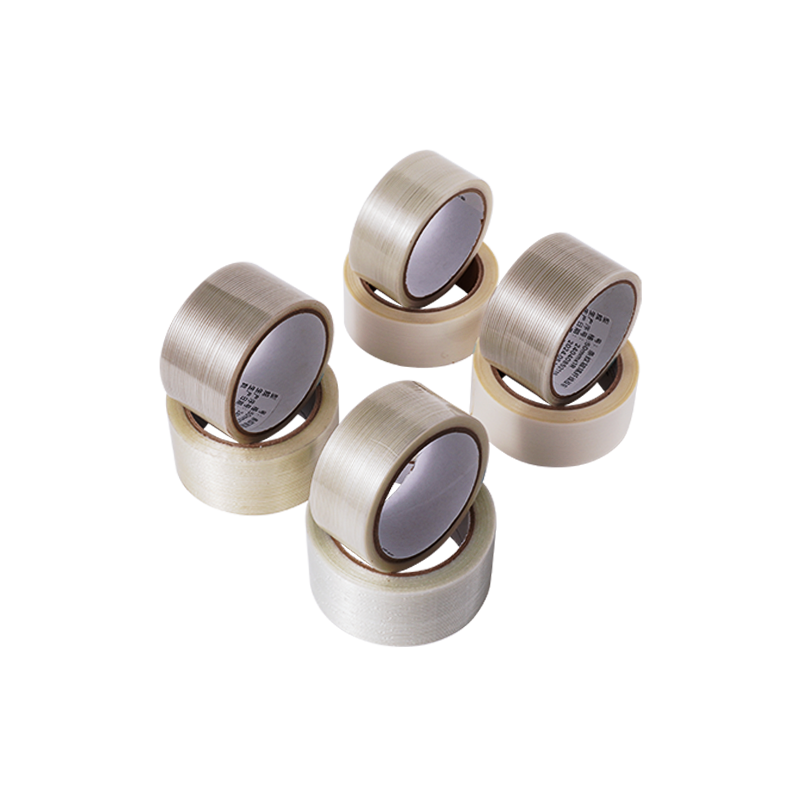 See Shixin Tape’s SXSYF-110R technical listing for published model data. View product specifications
Five Measurements to Verify Before Approving a Sample
A useful incoming-inspection plan checks more than whether the tape feels strong by hand. The key questions are how the strip behaves along the fiber direction, how far it extends before rupture, whether it bonds to the chosen substrate, and whether the converted roll runs reliably.
The values below are taken from the current Shixin product listing for SXSYF-110R where specified. They must be used with the associated test method; the public page does not state an approved continuous-service temperature.
|
Parameter |
Published SXSYF-110R value |
What buyer should verify |
|
Total thickness |
110 μm |
Measurement standard and tolerance |
|
Tensile strength |
250 N/cm |
Pull direction, method and sample width |
|
Elongation at break |
≤5% |
Method and acceptance criteria |
|
Adhesion to steel |
16 N/2.5 cm |
Test method and actual-substrate adhesion |
|
Holding power / adhesive |
≥24 h; synthetic rubber |
Test conditions; in-use joint suitability |
Tensile strength and elongation describe the reinforcement, while adhesion and holding power describe the bonded system under their respective tests. Do not compare figures from different widths or test standards without normalization. Obtain a current model-specific TDS and agree on production acceptance criteria.
For applications with changing or crosswise forces, compare the full assembly against a woven or multidirectional reinforcement. “Unidirectional” identifies the preferred reinforcement axis; it does not mean the finished tape instantly separates when rotated.
Adhesive, Liner and Thickness Choices That Decide Line Performance
Tape construction affects both application and durability. A product that passes a tensile test can still cause trouble through inadequate bonding, poor unwind behavior or a width that does not suit the process. Start from the verified SXSYF-110R structure rather than assuming optional chemistries are supplied.
Adhesive chemistry: verified grade versus alternatives
Release construction and production handling
Rolls without a removable liner
If this format is supplied for the selected grade, confirm unwind force, winding quality and edge protection during feeding. The presence or absence of a liner must be verified before ordering.
Rolls with a removable liner
If a lined format is required for positioning or converting, specify liner material, release force and dispensing method. Availability and tolerances must be confirmed with the supplier, not presumed from a general application description.
If a project needs radiant-heat reflection or a foil facing, it involves a different laminated tape structure. Shixin has separate fiberglass/aluminum-foil products; do not treat these as interchangeable with the single-yarn synthetic-rubber grade.
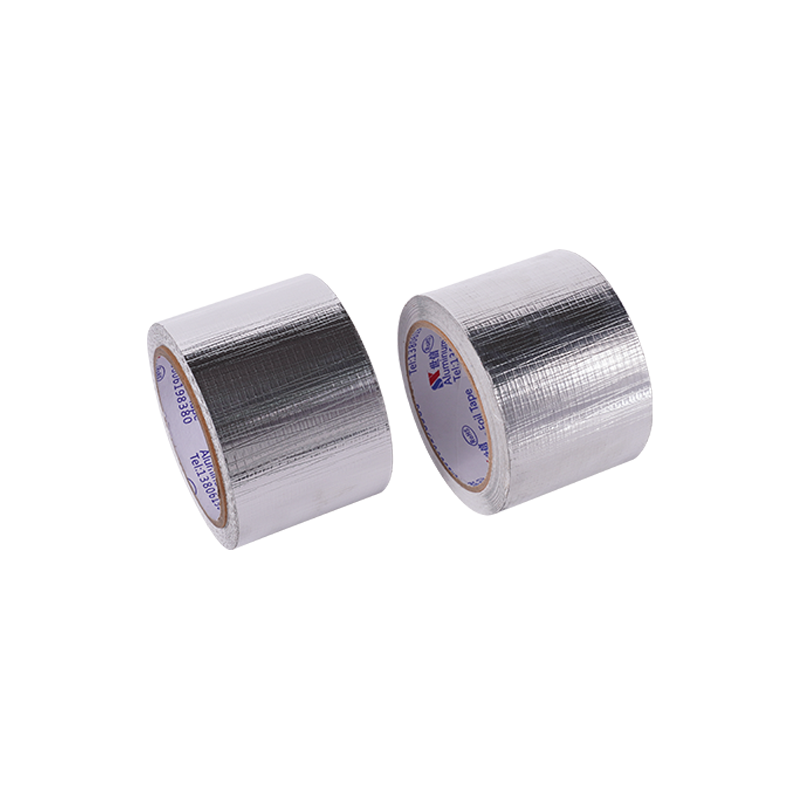 For fiberglass-aluminum-foil composite tape, review the separate automotive heat-shielding product. View separate product
Four Failure Modes to Check on a Production Line
When an application fails, examine the load path, processing tension, adhesive joint and slit quality separately. This approach helps identify whether a different material is needed or the application method should change.
Where Unidirectional Fiberglass Tape Adds Practical Value
The strongest use case is a defined, mainly lengthwise reinforcement task. Shixin’s product page identifies joint reinforcement, local strengthening, pipe or harness protection, and use within protective coating systems as potential application areas. Suitability must still be tested for the actual assembly.
|
Application to evaluate |
Engineering consideration |
Tape selection approach |
|
Joint and seam reinforcement |
Known pulling direction; bond surface |
Start with SXSYF-110R; validate assembly |
|
Local reinforcement of parts |
Stress concentration and peel forces |
Define load path and substrate test |
|
Hose / harness mechanical protection |
Bending, abrasion and movement |
Trial the actual wrap; no heat-shield claim |
|
Protective coating reinforcement |
Compatibility with coating matrix |
Verify bond and layer construction |
|
Thermal shielding / foil facing |
Requires heat-reflective composite |
Use a separate fiberglass-foil grade |
Where harness wrapping is considered, distinguish mechanical protection from thermal shielding. A single-yarn synthetic-rubber tape should not inherit the heat-reflective or silicone-adhesive properties of an automotive fiberglass-aluminum-foil product.
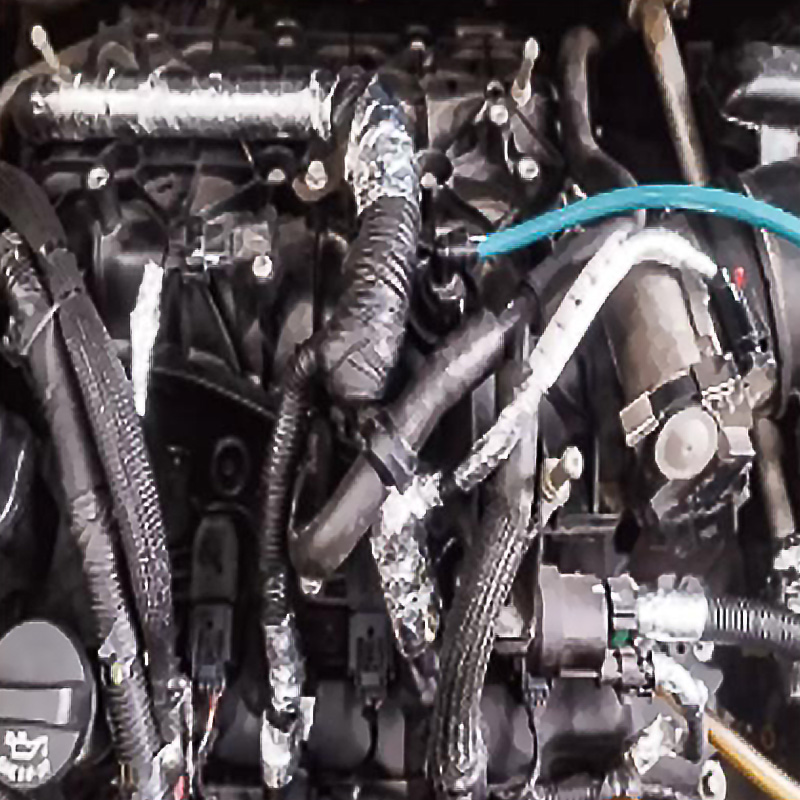 For heat-shielding projects, use the published automotive fiberglass aluminum foil tape data instead of transferring it to this single-yarn grade. View technical product
 Sourcing: Roll Format and Tolerance Decide the Real Cost
A qualified roll must match the machine as well as the drawing. Slit width, edge finish, core size, unwind behavior and the number of joints in a jumbo roll can all affect line efficiency. These are purchase-order requirements, not merely catalog details.
For a quote, send Shixin Tape the target substrate, intended load direction, required tape width and length, annual volume and any thermal, removal or converting demands. Compare quotations on the same tested construction and production-ready roll format.
A Five-Step Approval Sequence That Avoids Rework
Approval time depends on the customer’s validation plan. A practical sequence links the first engineering sample to an agreed set of acceptance tests and the final converted roll.
Draw the application and mark the load direction. Record any peeling, sideways force, bending or repeated movement.
Record the substrate, application temperature, continuous exposure conditions and any moisture, oil or cleaning-agent contact.
Confirm SXSYF-110R reference values and test methods, then sample the exact intended width and construction.
Conduct a production-line trial at actual speed and unwind tension; inspect bonding, lifting, wrinkles and edge condition.
Freeze the approved specification: adhesive family, grade, dimensions, core, liner or release treatment, splice policy and inspection items.
Frequently Asked Questions
Does unidirectional fiberglass tape replace woven fiberglass tape?
Not in every application. A unidirectional construction concentrates reinforcement along its fiber axis; woven or multidirectional materials may be more appropriate where force direction varies. Choose from the actual load case and test the joint.
What temperature can unidirectional fiberglass reinforcing tape handle?
The public SXSYF-110R listing does not provide a verified continuous-service temperature. The glass fibers and adhesive should not be assigned the same temperature rating. Ask Shixin Tape for model-specific data and qualify the finished bond at the expected exposure conditions.
Can it be supplied in jumbo rolls or custom slit widths?
Shixin offers industrial tape converting support, but the public SXSYF-110R data does not establish every liner, jumbo-roll or tolerance option. Submit the nominal width, roll length, core size, quantity and required format for feasibility confirmation.
How can edge splitting be reduced during application?
Keep reinforcement aligned with the primary load, set reasonable unwind tension and inspect the converted edges. If splitting persists, compare the failed roll with the approved sample and check the actual application path.
The right tape is the one whose tested reinforcement, adhesion and converted format match the job. Use SXSYF-110R as a verified starting grade, and avoid transferring temperature or shielding claims from unrelated fiberglass products.
Send your application drawing, substrate details, load direction and roll requirements to Shixin Tape. The team can discuss a sample and whether single-yarn reinforcement or a different tape family is more suitable before you release the purchase specification.
Syarikat kami telah terlibat dalam industri pembuatan pita selama lebih dari 20 tahun, dan telah memberi tumpuan kepada pelbagai Jenis pita kerajang aluminium, pita busa, pita peti sejuk, dll.
Telefon: +86-159-5136-0053
+86-136-6515-8108
WhatsApp +86-159-5136-0053
Alamat: No. 1, Jalan Yedong, barat Yingbin Avenue, Zon Pembangunan Ekonomi, Suqian City, Wilayah Jiangsu, China
Miya Miao
E -mel: [email protected]
Mobile/WhatsApp: 0086 19033791110
Copyright © Jiangsu Shixin Adhesive Tape Products Co., Ltd. All Rights Reserved. Pengeluar Pita Pelekat Foil ODM Custom